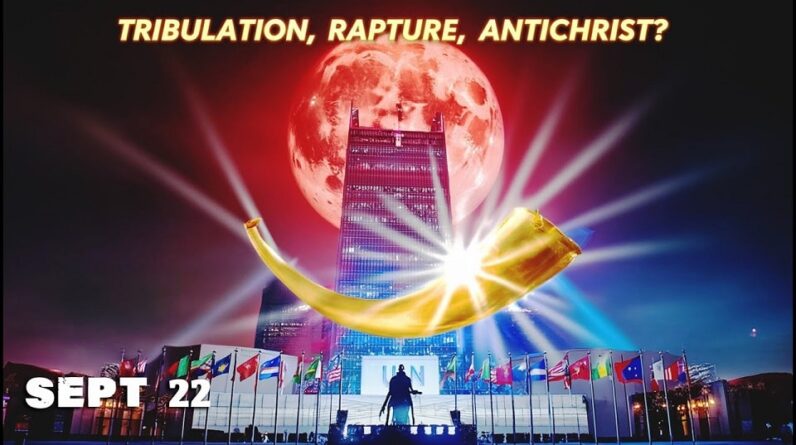
For generations, Christians have asked the same question: Who is the Antichrist? Every era points to new suspects. Powerful leaders. Famous rulers. Public figures. But Nelson Walters argues that we may be asking the wrong question. Revelation 17 isn’t mainly about the Antichrist. It’s about the Beast. And according to Scripture, the Beast and the Antichrist are not the same being. One is human. The other is something far older, darker, and supernatural. So, who is the Beast of Revelation 17?
The Beast Is Not Just a Future Politician
Revelation 17:8 gives a strange description. The beast “was, and is not, and will ascend out of the bottomless pit.” That alone challenges common assumptions. This isn’t just a future world leader who hasn’t appeared yet. The beast already existed in the past, disappeared before John’s time, and will rise again at the end of the age.
Walters explains that the “abyss” is not symbolic language. In Scripture, it is a real spiritual prison. It holds fallen angels and demonic beings. That means the beast is not an ordinary man. It is a supernatural power that once ruled through an ancient empire and will return.
The Antichrist, by contrast, is a human ruler. He is empowered by this beast, influenced by it, and given authority through it. Revelation shows a partnership. The beast is the power behind the throne. The Antichrist is the visible ruler who speaks and acts for it.
The Seven Heads and Seven Kingdoms
Revelation 17 explains that the beast has seven heads. These heads represent seven kingdoms that opposed God’s people. The text says five had already fallen by John’s time, one existed then, and one was still to come.
When these empires are listed in order, a clear pattern forms. Egypt enslaved Israel. Assyria destroyed the northern kingdom. Babylon exiled Judah. Persia ruled but allowed return. Greece oppressed Israel under Antiochus IV. Rome ruled during John’s lifetime and crucified Jesus. A final empire remains future.
So far, this fits well with history. But Revelation adds another layer.
The Eighth King Who Is Also One of the Seven
Revelation 17:11 says the beast is an eighth king, yet also one of the seven. That means this final power is not brand new. It is a revival of a previous empire. The question becomes simple but unsettling. Which ancient kingdom fits the description?
Walters argues it cannot be Rome. Rome existed in John’s day, so it cannot be something that “was, and is not.” Egypt, Persia, and Greece also existed in some form during John’s time. Babylon lingered in ruins but was not erased by a direct divine judgment.
Only one empire fits every detail.
Why Assyria Fits the Prophecy
Assyria was once the terror of the ancient world. Then it vanished completely. Destroyed in 612 BC, it ceased to exist for centuries. The prophet Nahum declared its destruction permanent, calling it a fatal wound from God. Isaiah also recorded God’s judgment against the Assyrian.
That language matters. Revelation 13 describes the beast as having a mortal head wound caused by a “plague.” The Greek word used means a divine strike. Walters argues this is not about a modern assassination attempt. It points back to God’s judgment on Assyria.
Revelation then says the wound is healed. That implies resurrection, not of a nation, but of the spiritual power behind it.
The Spiritual Power Behind Empires
The Bible teaches that empires are not just political. Daniel 10 describes spiritual “princes” influencing Persia and Greece. These are supernatural beings operating behind earthly kingdoms.
Assyria’s god was named Ashur. He was not just worshiped alongside the empire. He embodied it. Assyrian kings ruled as his representatives. Prophets often blurred the line between the empire, its king, and its god.
Ezekiel 31 describes Assyria as a towering tree in Eden, cast down to Sheol. That image cannot describe a human ruler. It points to a fallen heavenly being. One cast into the abyss.
Micah’s Clue and the Final Defeat
Micah 5 famously foretells the birth of the Messiah in Bethlehem. Just verses later, it says the Messiah will defeat “the Assyrian.” The Hebrew word used is not a title. It is a proper name tied to Ashur.
This passage points forward, not backward. Jesus defeats this figure in the end times. Revelation 19 confirms it. The beast is thrown into the lake of fire by Christ Himself.
So Who is the Beast of Revelation 17?
According to Walters, the beast of Revelation 17 is the revived spirit of Ashur, the ancient power behind Assyria. The Antichrist will be the human ruler empowered by this being. Together, they form the final rebellion against God.
But the story ends the same way Scripture always says it will. Jesus returns. The beast is judged. Evil is crushed. And the kingdom of Christ stands forever.
Stay Alert with Revelation Explained
Biblical prophecy with current events, stay alert to these potential end-time signs at Revelation Explained.
Stay Informed with Nelson Walters
Last Days Overcomer Website – https://lastdaysovercomer.org/about-us/
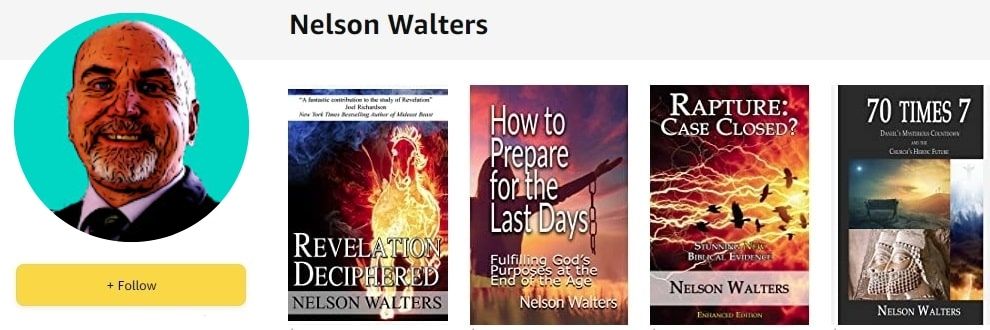
Thanks for watching Who is the Beast of Revelation 17? at Revelation Explained.